
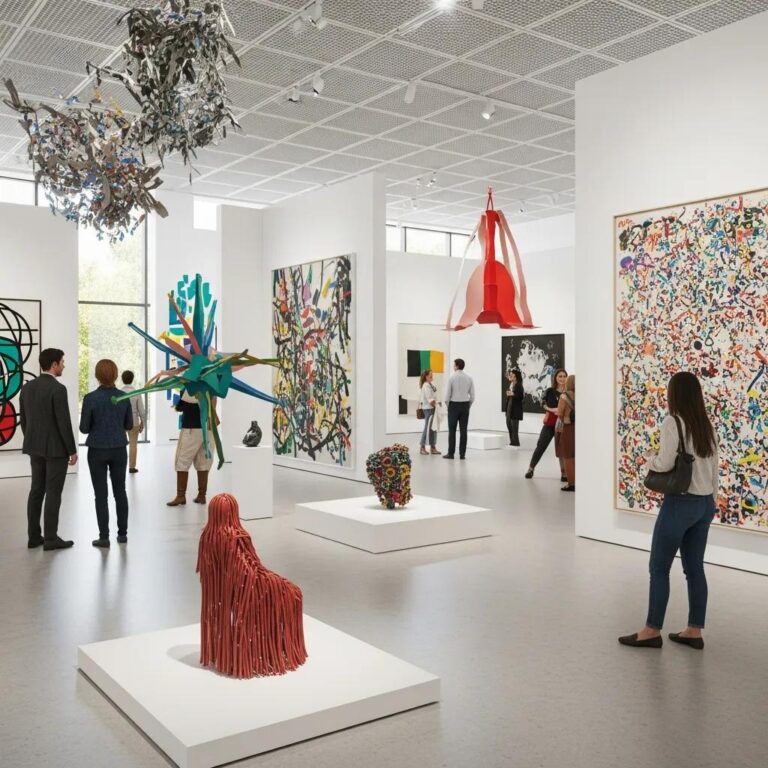
Discover Contemporary Art Collections: Your Guide to Modern Art, Curation, and Investment
Contemporary art collections represent a dynamic intersection of creativity, culture, and investment potential. As art enthusiasts and collectors seek to discover contemporary art, understanding the nuances of modern art collections becomes essential. This guide will delve into the defining characteristics of contemporary art, the influential movements that shape it, and the artists who are making waves in the art world today. Additionally, we will explore effective curation strategies for building your own collection, the impact of contemporary art on real estate and home decor, and the latest trends in art investment. By the end of this article, you will be equipped with the knowledge to navigate the contemporary art landscape confidently.
What Defines Contemporary Art Collections and Their Key Styles?
Contemporary art collections are characterized by their reflection of current cultural, social, and political contexts. These collections often include a variety of styles and mediums, showcasing the diversity of artistic expression in today’s world. Key styles within contemporary art include abstract art, conceptual art, and installation art, each offering unique perspectives and experiences. Understanding these styles is crucial for anyone looking to appreciate or invest in contemporary art.
Which Art Movements Shape Modern and Abstract Art?
Several art movements have significantly influenced modern and abstract art, including Minimalism, Surrealism, and Pop Art. Minimalism emphasizes simplicity and the use of basic forms, while Surrealism explores the unconscious mind through dream-like imagery. Pop Art, on the other hand, draws inspiration from popular culture and consumerism, often incorporating commercial techniques and imagery. These movements have paved the way for contemporary artists to experiment and innovate, leading to a rich tapestry of artistic expression.
Who Are the Influential Contemporary Artists to Know?
Influential contemporary artists include names like Yayoi Kusama, known for her immersive installations and polka dot motifs, and Banksy, whose provocative street art challenges societal norms. Other notable figures include Ai Weiwei, whose work often addresses human rights issues, and Jeff Koons, celebrated for his large-scale sculptures that blur the lines between high art and commercialism. Understanding the contributions of these artists provides insight into the evolving landscape of contemporary art.
How to Curate Your Own Contemporary Art Collection Effectively?
Curating a contemporary art collection requires a thoughtful approach that balances personal taste with investment potential. By understanding the essential steps involved in art collection curation, you can build a collection that resonates with your aesthetic while also appreciating in value.
Leading institutions like the National Gallery of Victoria demonstrate how strategic curation shapes public perception and engagement with contemporary art.
NGV’s Role in Shaping Contemporary Art Curation & Experience
The National Gallery of Victoria (NGV) has positioned itself as both Australia’s leading art gallery and a strong player in the international contemporary art world. The NGV is a powerful culture factory that actively shapes how art is experienced and understood, deriving from what art historian Tony Bennett describes as the ‘exhibitionary complex’ – a system of public display that emerged in the nineteenth century, intended to civilise the public through carefully curated experiences of culture, knowledge, and national identity. In a contemporary context, the ‘exhibitionary complex’ frames culture as a commodity, focusing on strategies such as large-scale, immersive, and accessible shows that are capable of attracting mass audiences.
How Kusama solidified the NGV’s Position as “Just Another Dot in the World.”
What Are the Essential Steps for Art Collection Curation?
- Researching Art Pieces: Familiarize yourself with different artists, styles, and movements to identify pieces that resonate with you.
- Setting a Budget: Determine how much you are willing to invest in your collection, keeping in mind that prices can vary widely.
- Finding Reputable Sources: Seek out galleries, auctions, and online platforms that specialize in contemporary art to ensure authenticity and quality.
How to Choose Art Pieces That Match Your Lifestyle and Space?
When selecting art pieces, consider the following factors:
- Understanding Personal Taste: Reflect on what styles and themes resonate with you personally.
- Considering Space Dimensions: Measure your available wall space to ensure the art fits well within your environment.
- Balancing Art with Decor: Choose pieces that complement your existing decor while also making a statement.
How Does Contemporary Art Enhance Real Estate and Home Decor?
Contemporary art plays a significant role in enhancing both real estate and home decor. By incorporating art into your living space, you can create a unique ambiance that reflects your personality and style. Art not only beautifies a space but can also increase property value, making it a worthwhile investment.
What Are Innovative Home Art Decor Ideas Using Modern Art?
Innovative ways to incorporate modern art into home decor include:
- Unique Display Methods: Use unconventional frames or hang art in unexpected places to create visual interest.
- Combining Art with Furniture: Integrate art pieces with furniture arrangements to create cohesive design elements.
- Seasonal Decor Changes: Rotate art pieces seasonally to refresh your space and keep it dynamic.
How Can Art Increase Property Value and Business Ambiance?
Art can significantly enhance property value and business ambiance through:
- Art as an Investment: High-quality contemporary art can appreciate over time, making it a valuable asset.
- Case Studies of Successful Integrations: Many businesses have successfully integrated art into their spaces, resulting in increased customer engagement and satisfaction.
- Statistics on Property Value Increases: Research indicates that properties with curated art collections often sell for higher prices compared to those without.
What Are the Latest Art Investment Trends and Tips for Collectors?
The art market is continually evolving, with new trends emerging that collectors should be aware of. Understanding these trends can help you make informed decisions about your art investments.
A deeper dive into the global art market reveals the intricate factors and trends that drive successful art investments.
Global Art Market Trends & Investment Strategies for Collectors
The article conducts a comprehensive study of the global art market, highlighting its key development trends. It is substantiated that successful investments depend on such factors as the artist’s reputation, uniqueness of artwork, market trends, and historical value. The research utilizes quantitative and qualitative research methods. The key art indices are analyzed to track the performance of the global art market, helping investors to understand the general tendencies and volatility of this type of investment. Despite the risks, art remains an attractive option for diversifying an investment portfolio, especially for collectors and investors interested in long-term profit.
Investing in Works of Art: Analysis of the Global Art Market Dynamics and Current Trends of Its Development, 2025
Which Contemporary Art Styles Show Promising Investment Potential?
Currently, styles such as street art and digital art are gaining traction in the investment market. These styles often attract younger collectors and can command high prices at auctions. Additionally, emerging artists who are gaining recognition can offer significant investment potential as their careers develop.
How to Assess and Appraise Art Pieces for Investment?
When assessing art for investment, consider the following:
- Understanding Art Valuation: Familiarize yourself with how art is valued, including factors like provenance, condition, and market demand.
- Resources for Appraisals: Utilize professional appraisers and art consultants to ensure accurate valuations.
- Common Pitfalls to Avoid: Be cautious of trends that may not have lasting value and avoid overpaying for pieces based on hype.
Why Is Owning Contemporary Art Beneficial for Lifestyle and Business?
Owning contemporary art offers numerous benefits that extend beyond mere aesthetics. It can enhance personal well-being and contribute positively to business environments.
What Lifestyle Benefits Does Art Ownership Provide?
- Emotional and Psychological Benefits: Art can evoke emotions and inspire creativity, contributing to overall well-being.
- Social Status and Art: Owning significant pieces can elevate social standing and create opportunities for networking.
- Art as a Conversation Starter: Art pieces often spark discussions, making them great for social gatherings.
How Does Art Influence Business Operations and Customer Experience?
In a business context, art can influence operations and customer experience by:
- Art’s Role in Branding: Thoughtfully curated art can enhance a brand’s image and identity.
- Creating a Welcoming Environment: Art can make spaces more inviting, encouraging customer engagement.
- Art as a Marketing Tool: Unique art installations can attract attention and differentiate a business from competitors.
This table illustrates the varying investment potentials of different contemporary art styles, highlighting the importance of staying informed about market trends.